Understanding Depression: A Mental Health Guide
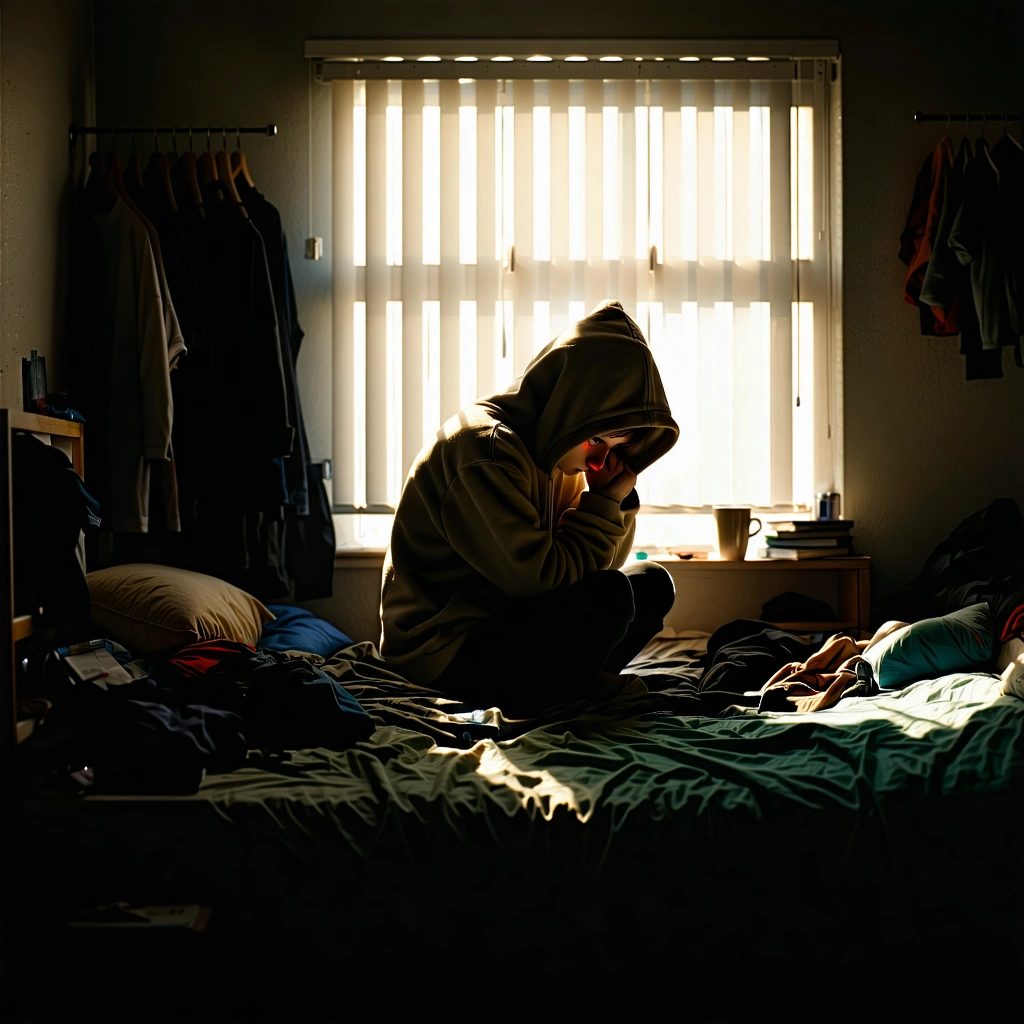
Mental health is all about how we think, feel, and act in our everyday lives—how we see ourselves, connect with others, and navigate the world around us. It’s not always easy to pin down exactly what it means to have good mental health because everyone has their own way of looking at it.
But when someone’s mental health isn’t doing so great, there are signs that can show up, like changes in how they think, behave, or handle daily life. Let’s dive into one common mental health challenge—depression—and explore what it looks like, who it affects, and how to find a way forward.
What Does Depression Feel Like?
Everyone feels a bit down sometimes—maybe you’re bummed about a bad grade or just not in the mood for anything. That’s normal, like the natural ups and downs of life. But depression is different. It’s not just a passing case of the blues that you can shake off.
When someone’s depressed, that low mood sticks around, making it hard to enjoy life or keep up with daily routines. It’s like a heavy cloud that won’t lift, affecting everything from school to friendships to how you feel about yourself.
Here are some signs that someone might be dealing with depression:
- Struggling to get out of bed in the morning to go to school or work, or feeling like it’s a huge effort to face the day.
- Trouble falling asleep, staying asleep, or waking up feeling unrested because your sleep is all over the place.
- Relationships with family, friends, or classmates start to suffer, and you might pull away from people you care about.
- Feeling like you’re not good enough, with low self-esteem that makes you doubt yourself all the time.
- Constant worrying or feeling anxious and panicky, even when there’s no clear reason for it.
- Changes in eating habits—maybe you’re eating way more than usual or losing your appetite completely, which can lead to weight changes.
- Crying a lot or feeling so numb that you can’t connect with your emotions at all.
- Getting irritable, angry, or negative for no obvious reason, snapping at people without meaning to.
- Finding even small tasks overwhelming, like doing homework or cleaning your room feels impossible.
- Feeling guilty or like you deserve to be punished, even when you haven’t done anything wrong.
- Struggling with memory or focus, making it hard to concentrate in class or make decisions.
- Noticing physical symptoms like headaches, stomachaches, or other aches and pains that don’t seem to have a clear cause.
Everyone’s experience with depression is unique, but these signs often point to something more serious. If these feelings last for more than two weeks, especially if they’re intense enough to mess with your daily life—like skipping activities you used to love or struggling to keep up with school—it might be a sign of clinical depression.

Who Gets Depressed?
Depression doesn’t pick and choose—it can happen to anyone, no matter who they are or where they come from. There’s no single reason why some people get depressed while others don’t, but certain things can make it more likely. It could be tied to biology, like chemical changes in the brain, or genetics, if depression runs in your family.
It can also come from tough life situations, like dealing with a long-term illness, living in rough conditions, or going through big changes like losing a job, getting divorced, or losing someone you love. Even things like stress at school, money problems, or big life transitions like moving to a new place can trigger it.
Some groups seem to be at higher risk, like people who are chronically ill, homeless, in prison, or part of marginalized communities. But the truth is, depression doesn’t care about your background—anyone can face it at any point in their life. It’s not a sign of weakness or something you can just “snap out of.” It’s a real condition that can hit anyone, anytime.
Finding a Way Forward
One of the toughest parts about depression is that it can feel like you’re all alone, and reaching out for help can seem scary. A lot of people try to tough it out on their own, thinking they should be able to handle it. But depression isn’t something that usually just goes away without support. Ignoring it can make things worse, sometimes dragging on for years if it’s not addressed.
The good news? Depression is treatable, and you don’t have to go through it alone. Talking to someone you trust—like a friend, family member, or teacher—can make a big difference. They might not have all the answers, but their support can help you feel less isolated.
The best step, though, is to talk to a doctor or a mental health professional. They can give you a clear diagnosis, figure out what’s going on, and suggest the right kind of help. That might mean therapy, where you talk through what you’re feeling, or sometimes medication to help balance things out. Often, it’s a mix of both that works best.
Reaching out doesn’t mean you’re weak—it means you’re taking charge of your life. Depression is more common than you might think, and getting help is a brave, important step toward feeling like yourself again.








Post Comment